


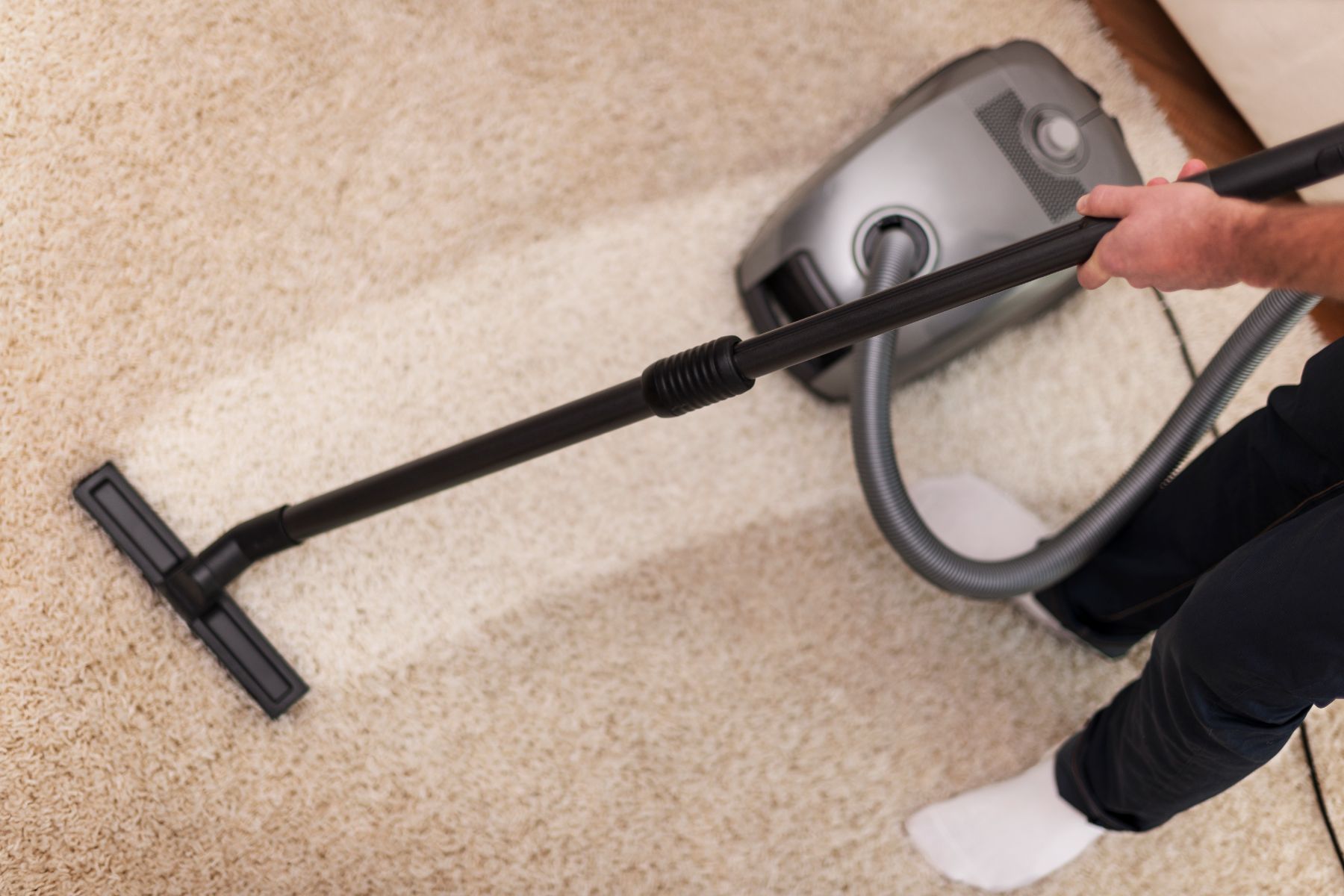
Carpet adds warmth, comfort, and style to any home. It softens footsteps, reduces noise, and creates a welcoming atmosphere. However, keeping carpet clean and looking its best requires more than simply running a vacuum across the surface. Different carpet types require different vacuum settings. Using the wrong settings can damage fibers, leave dirt behind, or cause premature wear.
At Fissel Floor Covering, we have helped homeowners choose and care for their flooring for more than 40 years. Because we provide personal service and expert guidance, we understand how proper maintenance affects long-term performance. When you vacuum correctly, your carpet stays cleaner, looks better, and lasts longer.
Let’s take a closer look at how to match your vacuum settings to your carpet type so you can protect your investment and keep your home looking its best.
Why do vacuum settings matter for carpet care?
Vacuum settings control how much suction is applied and how aggressively the brush roll moves through the fibers. These two factors determine how effectively dirt is removed and how much stress is placed on the carpet.
If the settings are too aggressive, you may:
Fray or loosen carpet fibers
Damage delicate materials
Pull or snag loops
Reduce the lifespan of your carpet
If the settings are too gentle, you may:
Leave dirt trapped deep in the fibers
Allow allergens to build up
Flatten the carpet pile
Reduce overall cleanliness
The goal is to remove dirt thoroughly without putting unnecessary strain on the carpet’s structure.
What vacuum setting works best for plush or Saxony carpet?
Plush and Saxony carpets feature dense, upright fibers that create a soft, luxurious feel. Because the fibers are tightly packed, dirt tends to settle deep within the pile. This makes proper vacuum adjustment especially important.
The best vacuum settings for plush carpet include:
Higher pile height setting so the vacuum head does not press too deeply into the fibers
Strong suction power to pull dirt from deep within the pile
Brush roll on, but gently to lift the fibers without excessive agitation
If the vacuum is difficult to push, the height is likely set too low. Raising the vacuum head slightly will help it glide more smoothly while still lifting debris effectively.
Vacuuming slowly is also important. Dense carpet traps particles deep inside, and slower passes allow the vacuum to remove more debris.
How should you vacuum Berber or loop carpet?
Berber and loop carpets are known for their durability and textured appearance. Instead of upright fibers, these carpets use loops that sit close to the surface. While this structure makes them resilient, it also makes them vulnerable to snagging.
The best vacuum settings for loop carpet include:
Brush roll turned off if possible
Suction-only or minimal agitation
Medium height setting so the vacuum does not drag across loops
If your vacuum does not allow you to turn off the brush roll, use the gentlest brush setting available. Avoid aggressive beater bars whenever possible.
These adjustments help prevent pulled loops, which can permanently affect the carpet’s appearance.
What is the right vacuum height for frieze or textured carpet?
Frieze and textured carpets have twisted fibers that curl slightly. This structure helps hide footprints and wear, making these carpets a popular choice for busy households.
The best vacuum settings for frieze carpet include:
Medium to high pile height to prevent excessive pressure
Moderate brush roll action to lift and separate fibers
Consistent suction without extreme force
Although these carpets are durable, pushing the vacuum too deeply into the pile can still stress the fibers. Gentle lifting works better than aggressive scrubbing.
Vacuuming from different directions also helps loosen debris that becomes trapped in the twisted fibers.
How should you vacuum low-pile or commercial carpet?
Low-pile carpets are common in high-traffic areas, offices, and basements. Because the fibers are short and tightly packed, dirt sits closer to the surface.
The best vacuum settings for low-pile carpet include:
Lower height setting to maintain close contact with the fibers
Strong suction for effective debris removal
Active brush roll to lift embedded particles
These carpets are typically more durable and can handle more direct agitation. Lowering the vacuum head helps remove dirt that settles near the backing.
Frequent vacuuming is especially important in high-traffic areas because debris accumulates quickly.
How often should you adjust your vacuum settings?
You should adjust your vacuum settings every time you move between carpet types. Many homes have a mix of plush bedrooms, textured living spaces, and low-pile hallways. Each area requires a different approach.
Adjusting your vacuum only takes a few seconds. However, that small step can significantly improve cleaning performance and prevent long-term damage.
Why does proper maintenance protect your carpet investment?
Carpet is a major part of your home’s comfort and design. Proper vacuum settings help preserve fiber structure, maintain appearance, and extend lifespan.
At Fissel Floor Covering, we believe flooring should be both beautiful and long-lasting. Our family-owned carpet store in Bellefontaine, OH, serves Logan, Champaign, Hardin, and Union counties, and we are committed to excellence in everything we do. Our knowledgeable staff provides personalized service and expert guidance so customers can make confident decisions about their flooring.
When carpet is maintained properly, it performs better, feels softer, and continues to look great for years.
Need help choosing or caring for carpet in Bellefontaine, OH? Call us!
If you are unsure about your carpet type or the best way to maintain it, we are here to help. With decades of experience and a commitment to the highest quality service, our team is ready to guide you every step of the way.
Contact Fissel Floor Covering to explore carpet options, get expert care advice, and keep your flooring looking its best every day.


